
The AI Boom Is Changing Hands
The AI Boom Is Changing Hands For much of the last three years, the AI story looked deceptively…
July 2026
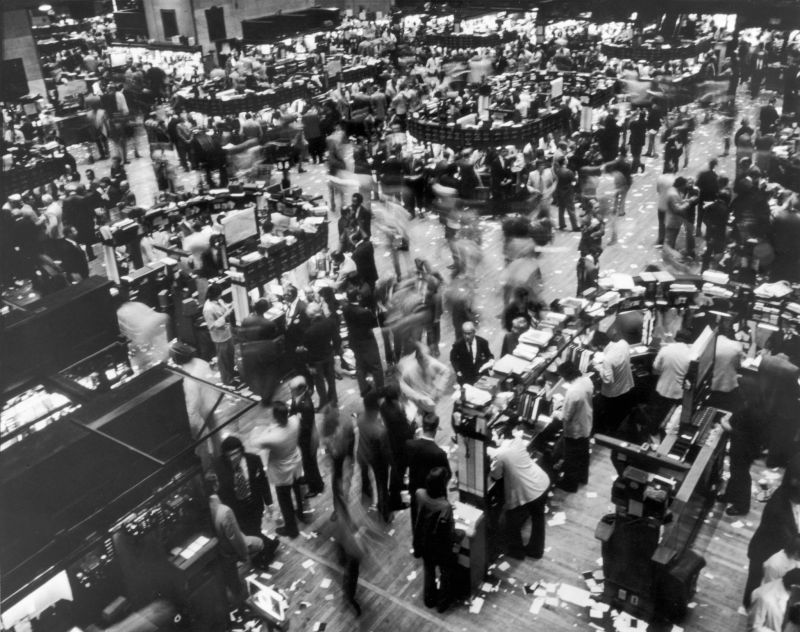
For much of the 20th century, trading a stock did not mean immediate ownership.
As trading activity surged, the infrastructure behind markets struggled to keep up. Every transaction required physical paperwork. Stock certificates had to be delivered, signatures verified, and ownership records updated manually. By the late 1960s, the backlog became so severe that the system came to be known as the Paperwork crisis.
Exchanges were forced to shorten trading hours and even close on Wednesdays, simply to allow brokers to process the growing pile of unsettled trades. The long-term solution required more than operational fixes. Markets gradually moved toward Centralised clearing and electronic record-keeping. replacing paper certificates with depository systems and digital ownership records.
As settlement infrastructure improved, trading speed could increase safely. Settlement cycles moved from weeks to days, eventually evolving into T+2 and now T+1 in several markets.
The lesson is structural. Market liquidity does not depend only on buyers and sellers. It depends on the plumbing that confirms ownership.
At Itus Capital Advisors, we trace such pivotal moments, ideas and developments that reshaped the investing world through the #ItusTimeMachine series, published online every Sunday.
The AI Boom Is Changing Hands For much of the last three years, the AI story looked deceptively…
July 2026
From changing market structures to shifting capital cycles, here are a few signals that stood out: • There…
July 2026An ant colony has no CEO. No fund manager. No investment committee. No individual ant understands the colony’s…
July 2026